Research & Evidence
PhD: Cognitive Psychology & Immersive Design
My doctoral research explored how immersive digital environments can improve cognitive and emotional states, resulting in novel design-led approaches to restoration and mindfulness grounded in cognitive science.
- Developed an abstract, restorative environment model for attention restoration in VR
- Designed a novel movement-based approach to mindfulness meditation
- Ran controlled behavioural experiments using attentional and mood outcome measures
- Translated findings into practical design principles for immersive products

Selected publications: Virtual Reality (Springer, 2024) · Frontiers in Psychology (2020)
Product & Design Efficacy
Grounded in 9+ years of deep engagement with cognitive psychology and neuroscience literature, I translated empirical findings into testable product hypotheses and measurable design experiments.
- VR-native cognitive assessments deployed in a virtual lab (8,000+ participants)
- Platform-scale behavioural analytics across 2.5M+ user sessions
- Custom mood, immersion and enjoyability outcome measures
- Session length, repeat usage and return frequency tracking
- Purchase behaviour and subscription likelihood analysis
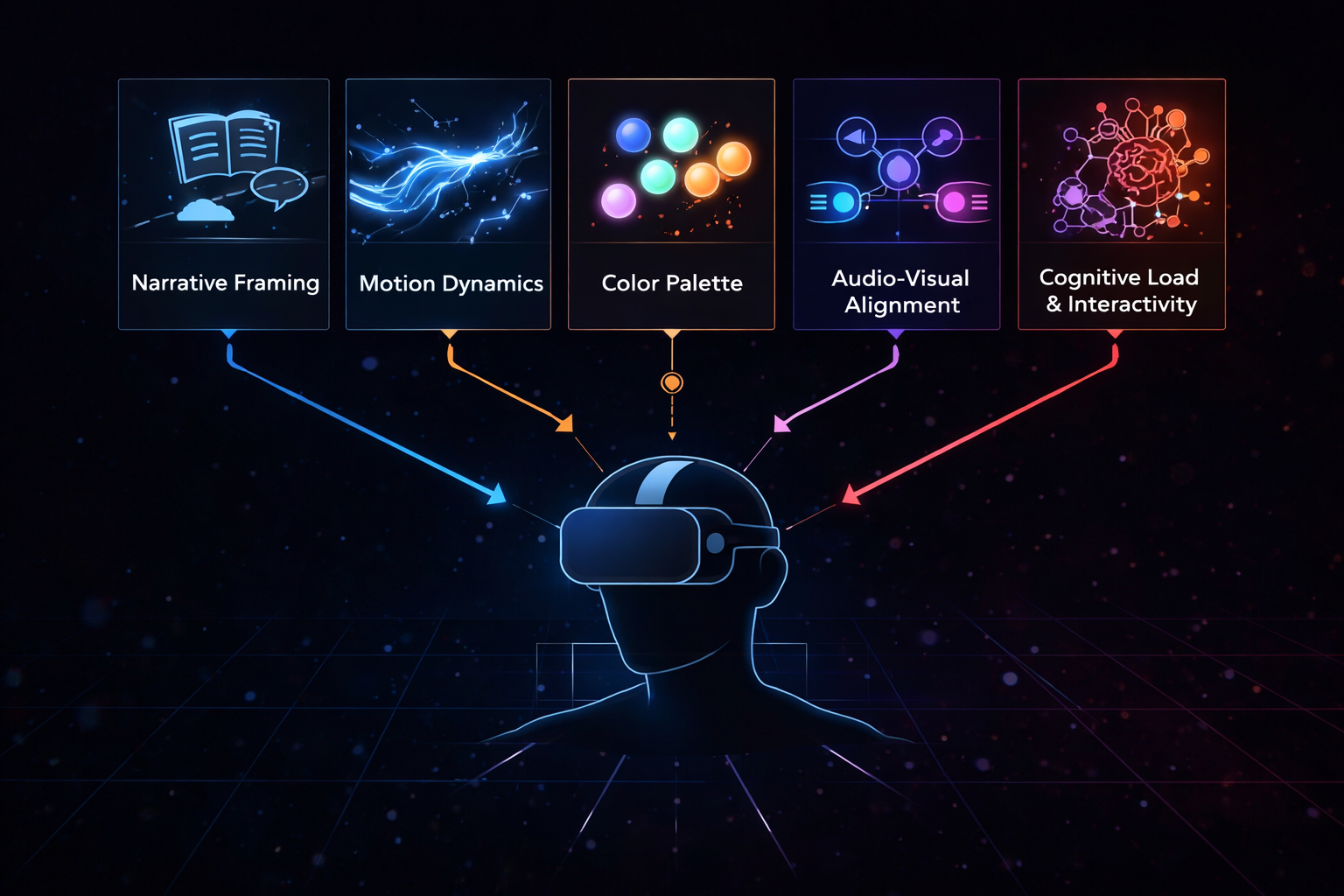
Design variables tested against cognitive, emotional and behavioural outcomes.
Large-Scale Deployment & Evaluation
Led and supported deployment and evaluation of VR programmes across 21 organisations (soft skills training) and 33 schools (wellbeing and productivity initiatives).
- Designed measurement frameworks aligned to organisational and educational KPIs
- Collected quantitative and qualitative data across multiple stakeholder groups
- Assessed wellbeing, focus, stress reduction and engagement outcomes
- Presented findings as a keynote at the SCAP Conference (2023)
Keynote presentation sharing national evaluation findings (SCAP Conference, 2023).
R&D Programme Leadership
Directed end-to-end research initiatives spanning experimental design, platform analytics and real-world deployment.
- Two multi-phase cognitive assessment studies validating VR-native attention measures
- Evaluation of AI-enabled smart glasses for context-aware walking meditation
- Design of a large-scale sleep induction study exploring immersive intervention strategies
These programmes ensured emerging technologies were validated through rigorous experimentation before scaling.
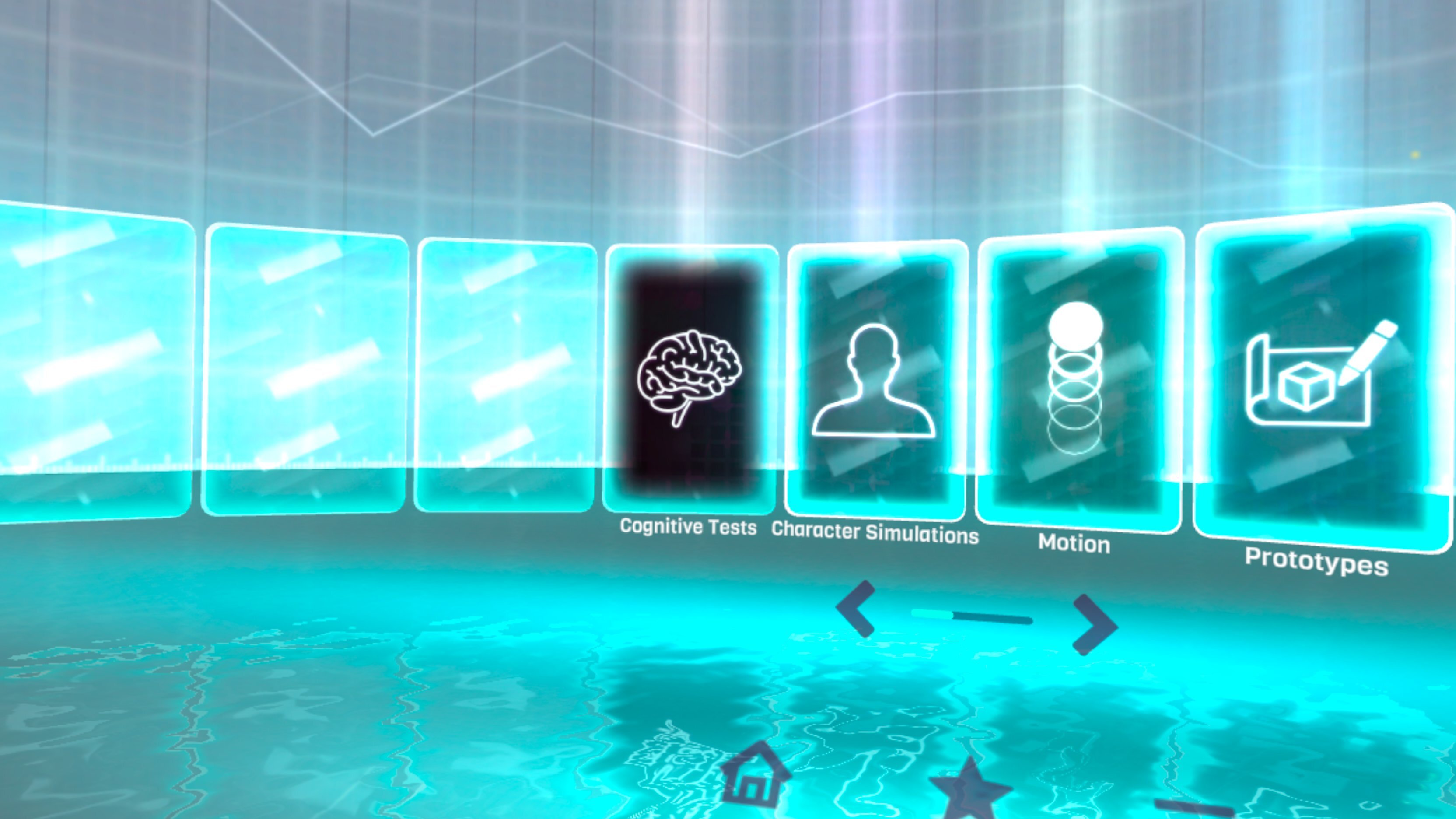
Recruiting participants for R&D projects.
Behavioural Priming & Real-World Choice
Evaluated a VR experience immersing users in the environmental impact of plastic bottle waste, then conducted a controlled behavioural study to test whether exposure translated into real-world action. Immediately afterwards, participants chose between bottled and tap water (without being aware their decision was being measured) providing an objective outcome beyond intention-based surveys.
Results showed increased selection of tap water following exposure, demonstrating that immersive interventions can shape real-world decisions.
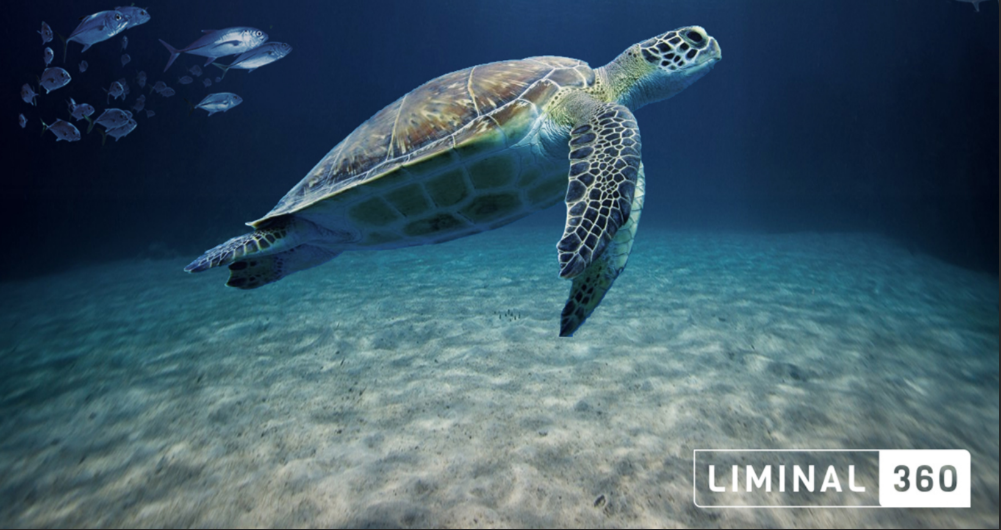
Immersive exposure evaluated against objective behavioural decision-making.